A Weekend in Seoul: Beauty Discoveries
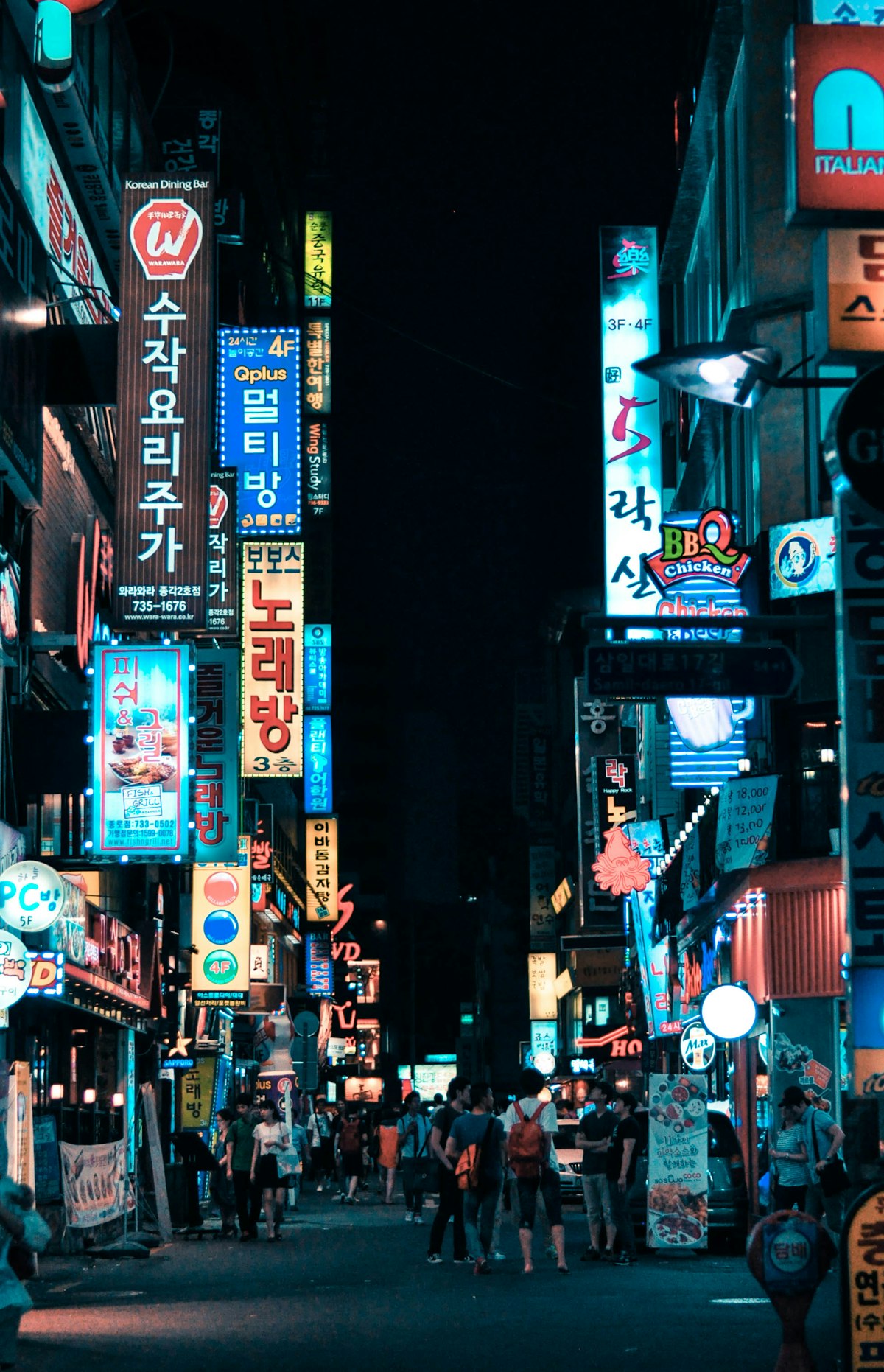
Seoul in early 2026 feels like stepping into the future of beauty. The city has always been ahead of the curve, but this trip -- my fourth in five years -- revealed an industry that has shifted from sheer product volume to something more considered, more experiential, and more technologically dazzling than anything I have encountered elsewhere. I landed on a Friday evening, dropped my bags in Seongsu-dong, and spent the next forty-eight hours immersed in the beauty culture that continues to shape the rest of the world.
Seongsu-dong: Seoul's New Beauty District
If Myeongdong was the beauty destination of the 2010s, Seongsu-dong is undeniably the epicenter now. This converted industrial neighborhood -- think Brooklyn meets Harajuku -- is lined with concept stores, pop-up labs, and flagship boutiques from Korea's most innovative indie brands. I spent an entire Saturday afternoon drifting between converted warehouses, each one more stunning than the last. One brand had built an entire installation around their mugwort-infused skincare line, complete with a living herb garden where you could pick fresh mugwort and watch it being cold-pressed into a serum on the spot. Mugwort -- prized for its soothing, anti-inflammatory properties -- is everywhere in Korean beauty right now, and experiencing it at the source felt like understanding an ingredient for the first time.
AI Skin Analysis and the Tech-Beauty Convergence
The biggest surprise of the trip was the proliferation of AI skin analysis kiosks. They have moved well beyond the gimmicky photo-booth versions I tried years ago. In Seongsu-dong and Gangnam alike, these stations use multi-spectral imaging to map your skin at a dermal level -- measuring hydration, sebum production, melanin depth, pore elasticity, and even your microbiome diversity. The whole process takes ninety seconds, and you walk away with a printed analysis and personalized product recommendations tied to that store's inventory. I sat for two different analyses at two different brands, and the consistency between their readings was remarkable. This is not marketing theater anymore. It is genuinely useful diagnostic technology, and it is free in most stores.
Skin Cycling 2.0 and the New K-Beauty Rituals
The ten-step Korean skincare routine is officially a relic. What has replaced it is something the locals are calling skin cycling 2.0 -- a structured rotation of actives across a four-to-seven-day cycle, tailored to your skin analysis results. The idea is that your skin responds better to periodic stimulation than daily bombardment. One night is exfoliation, the next is active treatment (retinoid, vitamin C, or tranexamic acid, depending on your needs), followed by two nights of pure barrier recovery with ceramides and centella. The approach feels deeply scientific and yet intuitive, and every esthetician I spoke to in Seoul was practicing some version of it. I have already adapted my own routine at home.
The Spirit of Korean Beauty Culture
What struck me most, though, was not any single product or technology. It was the atmosphere. In a tiny tea-and-skincare salon tucked behind Bukchon Hanok Village, I sat with five strangers while an esthetician walked us through a guided facial massage technique using gua sha stones carved from Korean jade. Nobody was selling anything. The session was free, offered as a community ritual, and the conversation that unfolded -- about self-care, stress, and the meaning of beauty at different life stages -- was more valuable than anything I could fit in a suitcase. Seoul reminded me, again, that beauty culture at its best is not transactional. It is communal, generous, and deeply human. I already have my next trip booked.
Shela
Beauty editor, skincare obsessive, and firm believer that the best routine is the one you actually enjoy. Writing from New York.