Self-Care Starts at Your Fingertips: The Complete Nail Care Guide for 2026
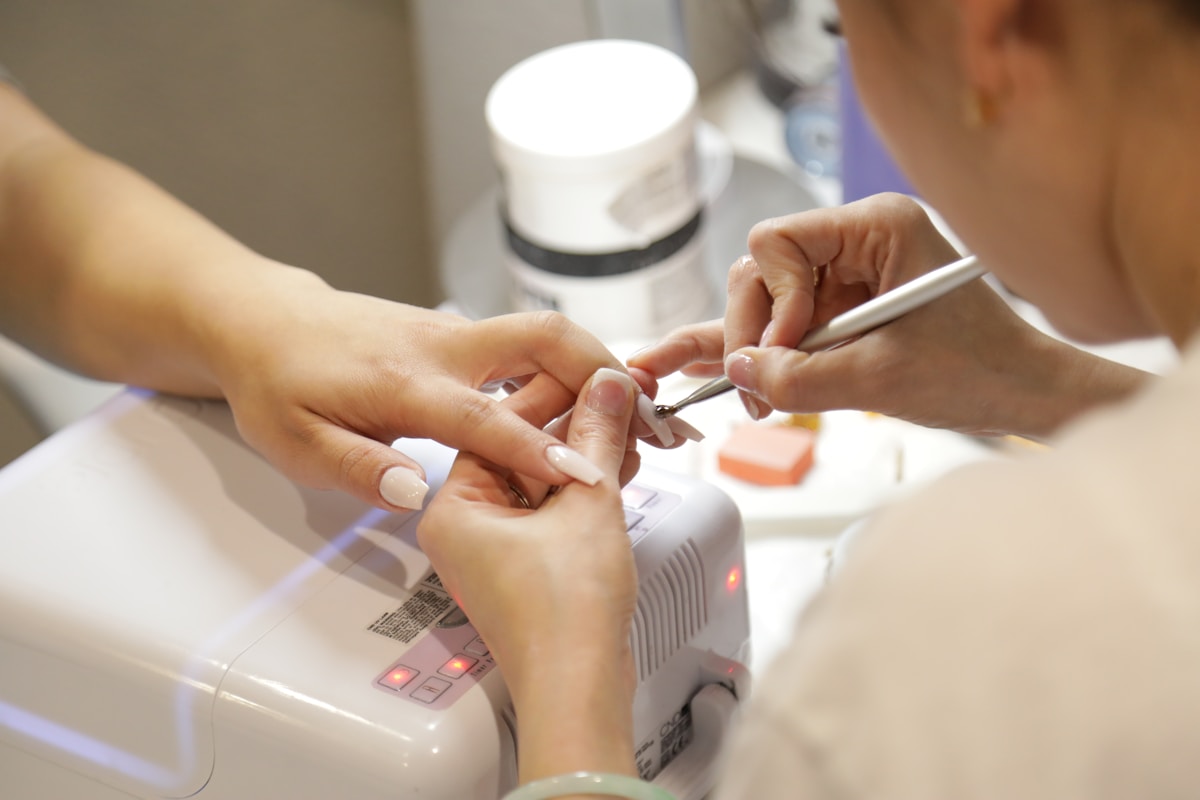
Your nails are telling you a story, and most of us are not listening. Ridges, brittleness, discoloration, slow growth: these are not just cosmetic inconveniences. They are signals from your body about hydration, nutrition, and overall health. In 2026, the conversation around nail care has shifted from purely aesthetic concerns to a more holistic understanding of what healthy nails require, both from the outside in and from the inside out. This is the complete nail care guide I wish I had years ago.
Your Nails as Health Indicators
Before we talk about cuticle oils and strengthening treatments, I want to emphasize something important: persistent changes in your nails can be worth mentioning to your doctor. Horizontal ridges, known as Beau lines, can indicate stress or illness. Spoon-shaped nails may suggest iron deficiency. Yellowing can point to fungal issues or, in rare cases, more serious conditions. I am not saying this to alarm you, but to underscore that nail care is health care. When your nails are consistently strong, smooth, and growing at a normal rate, it is generally a sign that your body is in good balance. Paying attention to your nails is a simple but valuable form of self-monitoring.
The Science of Cuticles
Your cuticle is not the enemy. This thin layer of skin exists to seal the gap between your nail plate and the surrounding skin, protecting the nail matrix, where new nail cells are generated, from bacteria and infection. Cutting cuticles aggressively, as was standard practice for decades, actually compromises this protective barrier and can lead to inflammation, hangnails, and even infection. The modern approach is to gently push cuticles back after softening them with a cuticle remover or warm water, and to keep them supple with regular oil application. I use a cuticle pusher once a week after a warm shower when the skin is naturally soft, and I apply cuticle oil morning and night. The difference in my nail bed appearance has been remarkable.
Nutrition: The Biotin Debate and Beyond
Let us talk about supplements, because there is a lot of noise in this space. Biotin, also known as vitamin B7, has been marketed as a miracle nail supplement for years. The evidence is mixed. Studies show that biotin supplementation can help people with an actual biotin deficiency, but for those with adequate levels, additional supplementation may not produce dramatic results. What does seem to make a measurable difference is a well-rounded approach: adequate protein intake, since nails are made of keratin, a protein; sufficient iron and zinc; and collagen peptides, which have shown promising results in improving nail brittleness and growth rate in several recent studies. I have been taking a marine collagen supplement for the past year, and I have noticed that my nails grow faster and break less frequently. Hydration matters too. Dehydrated nails are brittle nails, so drink your water.
Nail Oil vs. Nail Cream: Which Do You Need?
The short answer is both, but they serve different purposes. Nail oil, typically made from jojoba, vitamin E, sweet almond, or argan oil, penetrates the nail plate and cuticle to deliver deep hydration and flexibility. It is best applied directly to clean, bare nails and massaged into the cuticle area. Nail cream, on the other hand, tends to contain occlusives and emollients that sit on top of the nail and surrounding skin, locking in moisture and protecting against environmental damage. I think of oil as the treatment and cream as the shield. My routine is nail oil in the morning, massaged in for thirty seconds per hand, and a rich hand and nail cream at bedtime. The combination keeps my nails flexible enough to resist breakage while maintaining a healthy, natural sheen.
Strengthening Treatments That Actually Work
If your nails are currently weak, peeling, or prone to breaking, a dedicated strengthening treatment can make a significant difference while you work on improving things from the inside. Look for treatments containing keratin, calcium, or hydrolyzed wheat protein, which help reinforce the nail structure. Formaldehyde-based hardeners were once popular but have fallen out of favor for good reason: they can make nails too rigid, leading to snapping rather than bending. The new generation of strengtheners focuses on flexibility and resilience rather than sheer hardness. I apply a strengthening base coat whenever my nails are bare, and I reapply every few days for a cumulative effect. After about three weeks of consistent use, the improvement in my nails is always noticeable.
Building Your Weekly Nail Care Ritual
Consistency is the foundation of healthy nails, so here is the weekly ritual I recommend. Daily, apply cuticle oil at least once and hand cream at least twice. Weekly, set aside fifteen minutes for a more thorough session: soak your fingertips in warm water for a few minutes, gently push back cuticles, lightly buff any ridges with a fine-grit buffer, apply a strengthening treatment or base coat, and finish with a generous application of oil and cream. Monthly, assess your nails for any changes in color, texture, or growth pattern, and adjust your routine or consult a professional if anything seems off. This ritual takes minimal time but delivers maximum results. Your nails grow slowly, roughly three to four millimeters per month, so patience is essential. But I promise you, after two to three months of consistent care, you will look at your hands and see a genuine transformation.
Shela
Beauty editor, skincare obsessive, and firm believer that the best routine is the one you actually enjoy. Writing from New York.
You might also enjoy
How to Curate the Perfect Nail Polish Collection in 2026
A guide to curating the perfect nail polish collection in 2026: embracing non-toxic 10-free formulas, building a capsule collection of 10 essential shades,...
The Nail Art Trends Defining 2026
The biggest nail art trends of 2026: glazed donut chrome, 3D micro-sculptures, aura gradients, magnetic cat-eye polish, quiet luxury minimalism, and...
The Complete Guide to Gel Manicures in 2026
Everything you need to know about gel manicures in 2026: builder gel and BIAB technology, soft gel extensions, LED lamp advances, proper removal, and...