The Dermatologist Guide to Winter Skin
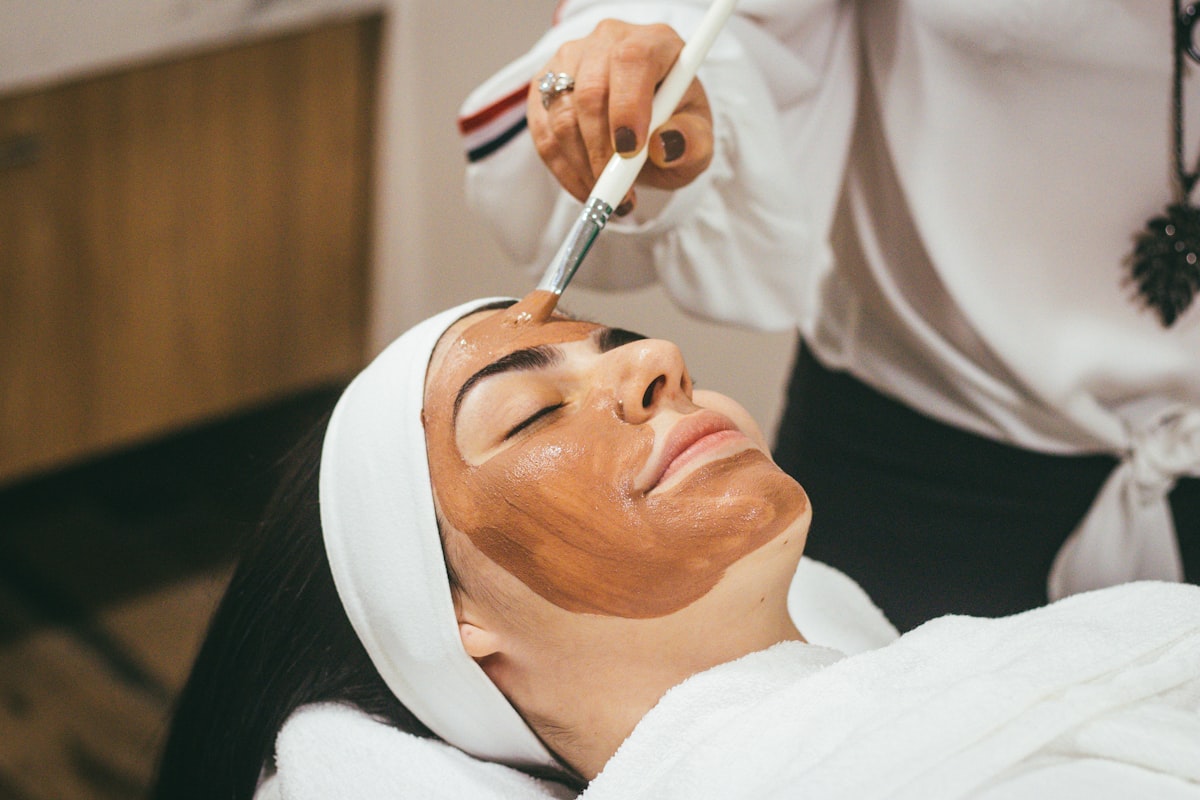
Every year, as the first cold snap hits, I watch my skin transform from cooperative to combative seemingly overnight. The tightness, the flaking around my nose, the sudden sensitivity to products that worked perfectly in September -- it is a predictable cycle, and yet it catches me off guard every time. So this winter, I sat down with two board-certified dermatologists to build a comprehensive cold-weather skincare strategy grounded in ingredient science, not guesswork. Here is what I learned, and what I have changed for the 2026 season.
Ceramide Barrier Repair: Your First Line of Defense
Both dermatologists I consulted said the same thing first: winter skin problems are fundamentally barrier problems. When cold, dry air meets indoor heating, your stratum corneum -- the outermost layer of skin -- loses moisture at an accelerated rate. The lipid matrix that holds it together, made primarily of ceramides, cholesterol, and free fatty acids, starts to break down. The fix is not simply adding more moisturizer. It is replenishing those specific lipids. Look for moisturizers that contain ceramide NP, ceramide AP, and ceramide EOP in ratios that mimic your natural barrier composition. Cholesterol and phytosphingosine as supporting ingredients are signs of a thoughtfully formulated barrier repair product. I have switched to a ceramide-dominant cream this winter, and the difference in how my skin handles temperature changes has been dramatic.
Humectant Layering: The Science of Drawing In Moisture
Humectants -- ingredients that attract water -- are essential in winter, but they require strategy. Hyaluronic acid remains a staple, but in very dry climates or heavily heated interiors, it can actually draw moisture out of your skin if there is not enough ambient humidity. The solution is layering: apply hyaluronic acid to damp skin, immediately follow with a polyglutamic acid serum (which holds significantly more water and creates a moisture-locking film on the surface), and seal everything with an occlusive moisturizer. This three-layer approach -- attract, hold, seal -- is what dermatologists call the humectant sandwich, and it is far more effective than simply slathering on a heavy cream. Glycerin, another underrated humectant, works beautifully in this stack and is gentle enough for the most sensitized winter skin.
The Slugging Evolution: Smarter Occlusion for 2026
Slugging -- the practice of sealing your nighttime routine with a layer of petroleum jelly or a heavy occlusive balm -- took the internet by storm a few years ago, and for good reason: it works. But the technique has evolved considerably. Dermatologists now recommend what they call selective slugging -- applying your occlusive only to the driest, most compromised areas rather than your entire face. The T-zone and any acne-prone areas are best left to breathe. Newer occlusive balms formulated with squalane, shea butter, and ceramides offer the same sealing benefits without the heavy, suffocating feel of pure petroleum jelly. I slug my cheeks, jawline, and the skin around my nose every night from November through March, and it has eliminated the flaking that used to plague me all season.
Indoor Heating Damage and When to See a Derm
One thing both dermatologists emphasized is that indoor heating is often more damaging than the cold itself. Central heating can drop indoor humidity to levels drier than the Sahara, and your skin is exposed to it for eight to twelve hours a day. A good humidifier in your bedroom and workspace is not optional -- it is essential winter skincare infrastructure. Set it to maintain forty to sixty percent humidity, and your skin, lips, and even your eyes will thank you. But there are limits to what at-home care can address. If you develop persistent redness, stinging, or flaking that does not respond to barrier repair within two weeks, it may be eczema, rosacea, or contact dermatitis flaring under winter stress. That is the point where self-treatment ends and a dermatologist visit begins. Winter skin is almost entirely manageable, but knowing when to ask for professional help is itself a form of good skincare.
Shela
Beauty editor, skincare obsessive, and firm believer that the best routine is the one you actually enjoy. Writing from New York.
You might also enjoy
Behind the Scenes: What a Beauty Editor Actually Does in 2026
A candid look at what a beauty editor's day really involves in 2026: rigorous product testing, content creation across formats, navigating brand...