What Your Perfume Says About You (According to a Perfumer)
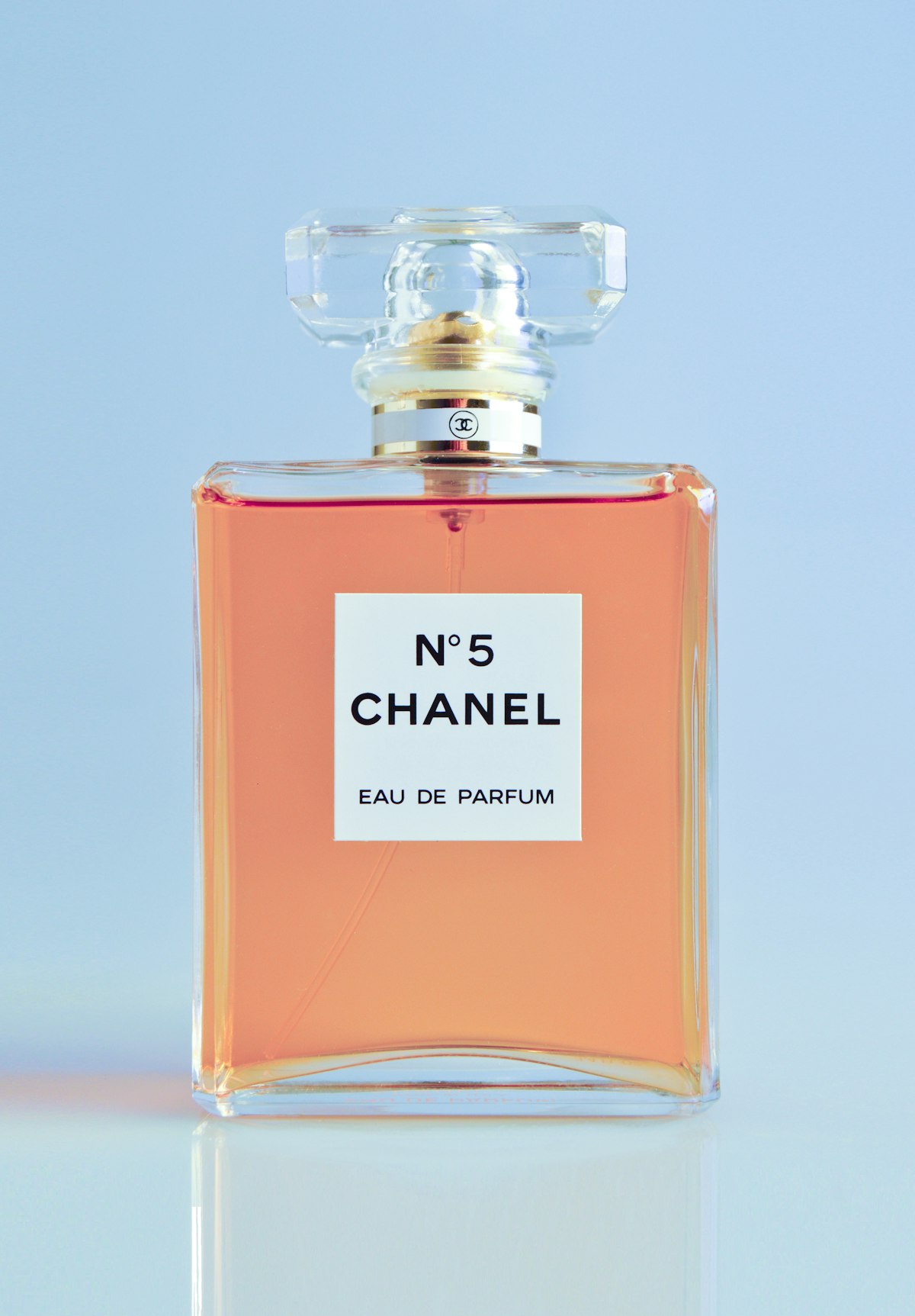
We are living through a fragrance renaissance. After decades of celebrity scents and designer flankers that prioritized mass appeal over artistry, perfume has become the most exciting, culturally resonant corner of the beauty industry. In 2026, fragrance is not just an accessory -- it is a form of identity, a conversation starter, and for a growing number of people, the single most personal choice they make about their appearance. I sat down with three independent perfumers to understand what our scent choices reveal about who we are, and the answers were more nuanced than any personality quiz could capture.
Niche Goes Mainstream
The most significant shift in the fragrance landscape is the migration of niche perfumery into the mainstream. Brands like Le Labo, Byredo, and Diptyque were once the province of in-the-know enthusiasts; now their candles sit in Target and their scents are recognized on the street. But the real action is happening further out on the edge. Houses like D.S. & Durga, Escentric Molecules, and Etat Libre d'Orange are creating fragrances that challenge conventional ideas of what perfume should smell like -- wet concrete, burning leaves, the inside of a bookshop. Wearing these scents is a statement that says you value originality over approval, that you would rather be interesting than universally pleasant. As perfumer Christophe Laudamiel told me, "The most revealing thing about someone's fragrance is not what it smells like, but whether they chose it themselves or let the market choose for them."
Scent Layering and Molecular Fragrances
The layering movement has transformed how people relate to fragrance. Rather than committing to a single signature scent, many enthusiasts now build custom combinations -- a woody base from one house, a citrus top note from another, perhaps a single-molecule accent like Iso E Super or Ambroxan to add depth. This approach treats perfume like a wardrobe, mixing and matching based on mood, season, and occasion. Molecular fragrances, which isolate single aromatic compounds, have become essential layering tools precisely because they interact uniquely with each person's skin chemistry. Escentric Molecules' Molecule 01 remains the category-defining product, but newer entries from Juliette Has a Gun and Zarko Perfume have expanded the vocabulary considerably. What your layering choices say about you, according to the perfumers I spoke with, is that you see fragrance as a creative practice rather than a purchase -- and that you are comfortable with the idea that how you smell might change from day to day.
The Rise of Gender-Fluid Scents
The binary division of fragrance into "for him" and "for her" is collapsing, and not a moment too soon. Gender-fluid perfumery is not new -- CK One did it in the nineties -- but what is new is the sophistication and diversity of unisex offerings. Modern gender-fluid scents are not watered-down compromises; they are complex, layered compositions that reject the premise that florals are feminine and woods are masculine. Brands like Non Gender Specific, Boy Smells, and the newer house Phlur are building their entire identity around this ethos. The perfumers I interviewed agreed: choosing a gender-fluid fragrance signals a person who is comfortable in their own identity and unbothered by conventional categories. It is less about making a political statement and more about refusing to let a marketing department dictate what you are allowed to enjoy.
Fragrance as the Final Frontier
What surprised me most in these conversations was how consistently the perfumers described fragrance as the last truly personal element of presentation. Skincare and makeup are increasingly visible, photographable, and shareable -- your routine can be documented on camera and replicated by anyone. But scent is invisible, intimate, and impossible to transmit through a screen. It exists only in physical space, in the gap between you and another person. In a culture that has digitized nearly every aspect of self-expression, perfume remains stubbornly, beautifully analog. Perhaps that is why it is experiencing such a revival -- in 2026, the most powerful form of personal expression is the one that cannot be captured in a selfie. What your perfume says about you, ultimately, is that some things are still worth experiencing in person.
Shela
Beauty editor, skincare obsessive, and firm believer that the best routine is the one you actually enjoy. Writing from New York.
You might also enjoy

Why I Stopped Following Beauty Trends
A personal essay on beauty fatigue in 2026: why I stopped chasing algorithm-driven trends and found peace in a deliberately curated five-product routine.